When diners imagine a restaurant kitchen, they often picture chefs working exclusively with freshly delivered produce, premium cuts of meat, and ingredients sourced daily from local suppliers. While fresh ingredients certainly play an important role in many restaurants, the reality behind commercial kitchen operations is more complex. To maintain consistency, manage costs, reduce waste, and ensure reliable service, restaurant kitchens frequently depend on a variety of shelf stable products. These ingredients are often essential components of recipes, preparation processes, and inventory management systems. Although many customers may not realize it, shelf stable products help support the efficiency and stability that modern restaurants require to operate successfully.
Consistency Is Essential in Professional Kitchens
One of the primary reasons restaurants rely on shelf stable ingredients is the need for consistency. Customers expect their favorite dishes to taste the same every time they visit. Maintaining this level of consistency can be challenging when relying solely on fresh ingredients, which may vary in flavor, texture, quality, and availability throughout the year.
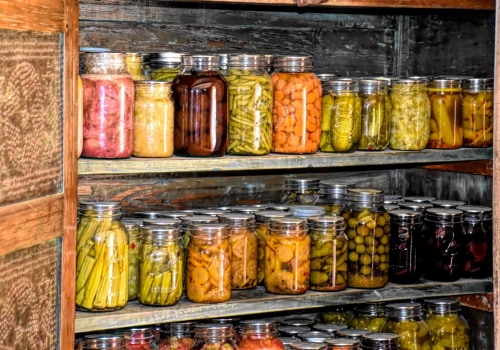
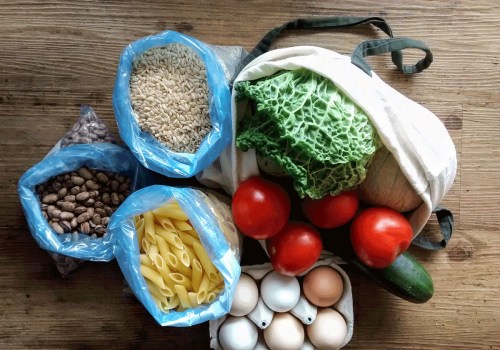
Shelf stable products such as spices, dried herbs, canned tomatoes, stocks, sauces, legumes, grains, and specialty condiments help chefs maintain predictable flavor profiles. These ingredients provide a reliable foundation for recipes and allow kitchens to produce consistent results regardless of seasonal fluctuations. By incorporating shelf stable items into their operations, restaurants can better control quality and meet customer expectations on a daily basis.
Reducing Waste and Improving Efficiency
Food waste is a major concern within the restaurant industry. Fresh ingredients often have limited shelf lives and can spoil quickly if demand is lower than anticipated. Shelf stable products offer significantly longer storage periods, allowing restaurants to maintain inventory without the same level of spoilage risk.
This flexibility is particularly important for ingredients that are used occasionally or in smaller quantities. Instead of purchasing fresh items that may go unused, restaurants can stock shelf stable alternatives that remain available when needed. This approach helps reduce waste, improve profitability, and support more sustainable kitchen practices. Efficient inventory management also allows restaurants to respond more effectively to fluctuations in customer traffic and seasonal demand.
Supporting Complex Menus and Diverse Cuisines
Many restaurants offer extensive menus featuring dishes inspired by different culinary traditions. To support such variety, kitchens often require a wide range of specialty ingredients that may not be readily available year-round in fresh form. Shelf stable products make it possible to maintain these menu offerings without depending entirely on unpredictable supply chains.
Ingredients such as dried mushrooms, preserved peppers, specialty oils, vinegars, spices, beans, noodles, and canned seafood are commonly used in professional kitchens. These products allow chefs to prepare authentic dishes while ensuring that essential ingredients remain available regardless of seasonality or market conditions. As a result, restaurants can provide customers with a broader range of dining options throughout the year.
Supply Chain Reliability and Operational Stability
Restaurant operations depend heavily on reliable supply chains. Weather events, transportation disruptions, seasonal shortages, and fluctuations in agricultural production can all affect ingredient availability. Shelf stable products provide an important safeguard against these uncertainties by allowing kitchens to maintain essential inventory reserves.
This reliability becomes especially important during busy periods when restaurants must serve large numbers of customers without interruption. Having access to dependable ingredients helps ensure smooth operations and minimizes the risk of menu shortages or service disruptions.
Just as travelers may use resources such as inyourpocket.com to discover dining options while exploring new destinations, restaurant operators rely on practical tools and strategies to navigate the complexities of food service. Shelf stable products are one of those often-overlooked strategies that contribute significantly to successful operations.
More Important Than Many Diners Realize
While fresh ingredients remain a vital component of quality cuisine, shelf stable products play an equally important supporting role behind the scenes. They help restaurants maintain consistency, reduce waste, improve efficiency, support diverse menus, and manage supply chain challenges. Most diners rarely notice these ingredients because they are seamlessly incorporated into finished dishes. However, their contribution to restaurant success is substantial. By understanding the role shelf stable products play in professional kitchens, diners can gain a deeper appreciation for the planning, logistics, and operational expertise required to deliver high-quality meals every day.